Become a lifelong Monarch. Apply now.

-
“Methodist University is a great school if you want a top-tier education while getting involved in a tight-knit community. From the connections on campus to the diversity of people and cultures, there is nothing quite like Methodist.”
 Ava Broussard ’24 | Fayetteville, N.C. |
Counseling/Clinical Psychology
Ava Broussard ’24 | Fayetteville, N.C. |
Counseling/Clinical Psychology
-
“My education at Methodist University has been transformative and life changing. The professors are very receptive to feedback and they have a strong foundation in different areas. I’m grateful for my experience at Methodist.”
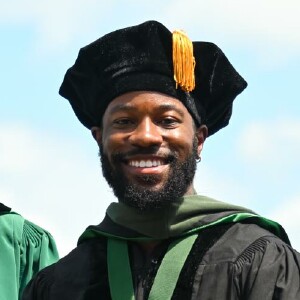 Cameron Harris ’22 | Lexington, N.C. |
Doctor of Occupational Therapy
Cameron Harris ’22 | Lexington, N.C. |
Doctor of Occupational Therapy
-
“Methodist University is very military friendly. If you’re an active member of the military or a veteran, they will work with you to finish your degree from anywhere in the world. I’m thankful for how Methodist University has impacted both my future and my family.”
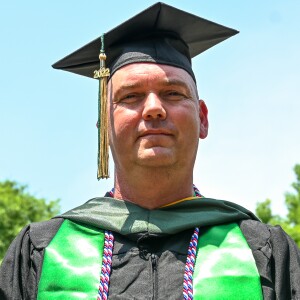 Christopher Ansley ’22 | Roanoke Rapids, N.C. |
Sociology | U.S. Army Veteran
Christopher Ansley ’22 | Roanoke Rapids, N.C. |
Sociology | U.S. Army Veteran


Find Your Path, Apply & Register!

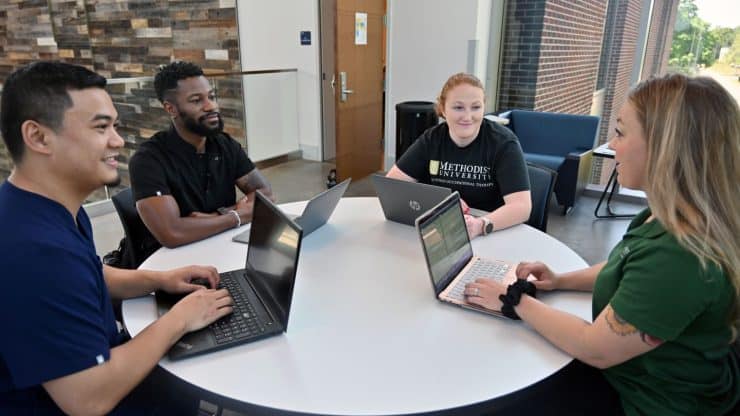


Get to know us
These are exciting times at Methodist University! The quality of our programs, the beauty of our campus, and the friendliness of our community will win you over.
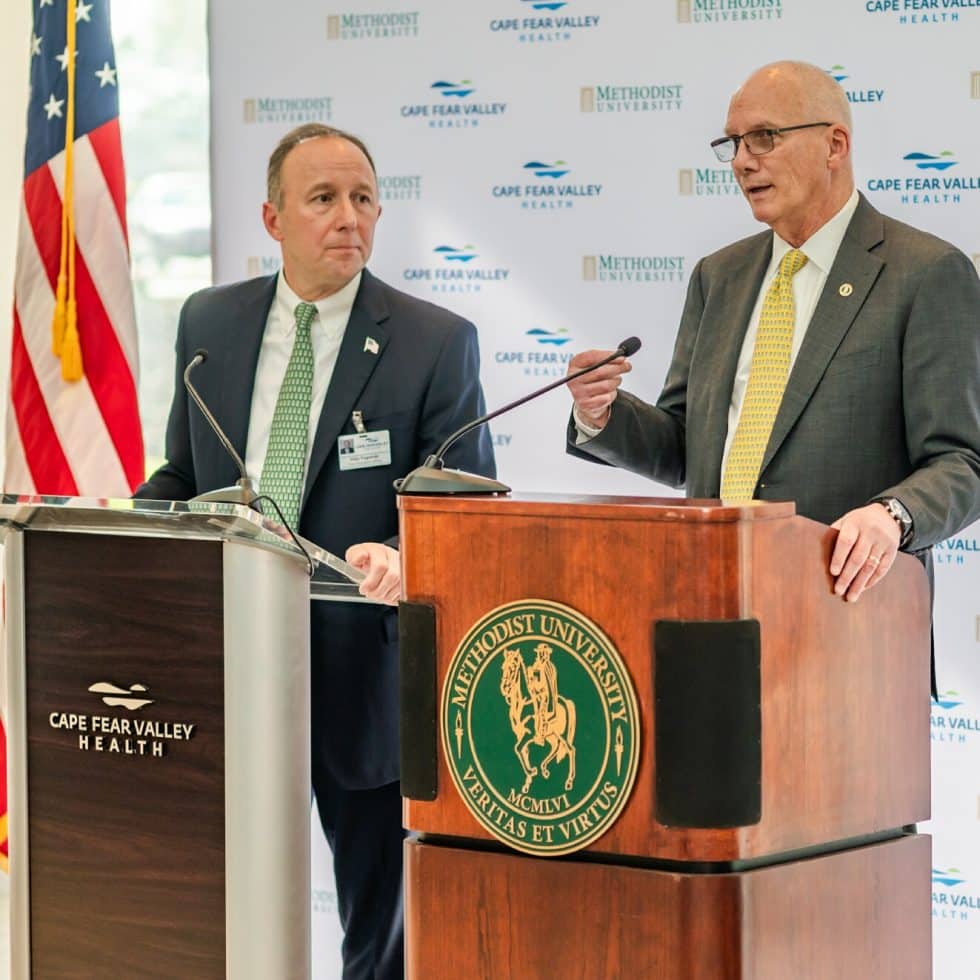
Moving Forward with the Methodist University Cape Fear Valley Health School of Medicine
Higher Education Digest recently named Methodist University one of 10 “must-watch” North American colleges and universities. Dive into the numbers that make MU stand out.
-
12:1
student-to-faculty ratio, with most classes under 25 students.
-
97%
of students receive financial aid annually, amounting to $24 million
-
#1
most diverse university in North Carolina in 2021-22 and 2022-23
Find a value like no other at MU
Methodist University perfectly combines a quality education with affordability. Not only can you become a Monarch at reasonable rate, but your experience will enhance the rest of your life.

With 20 NCAA sports and over 80 national championships, Methodist takes pride in our student-athletes.

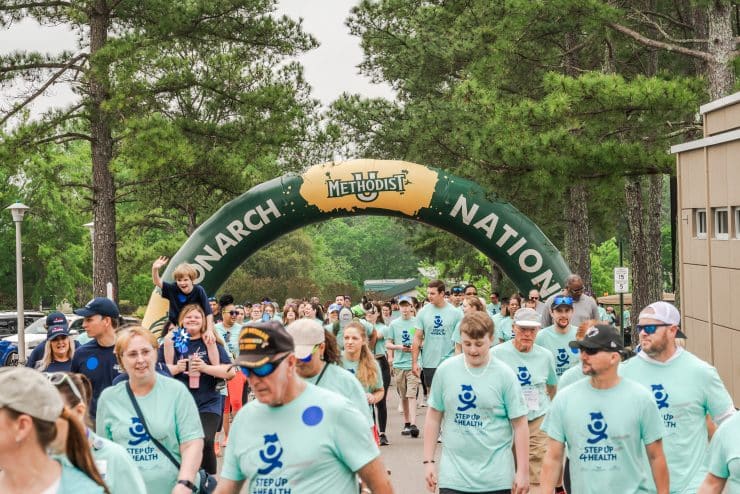
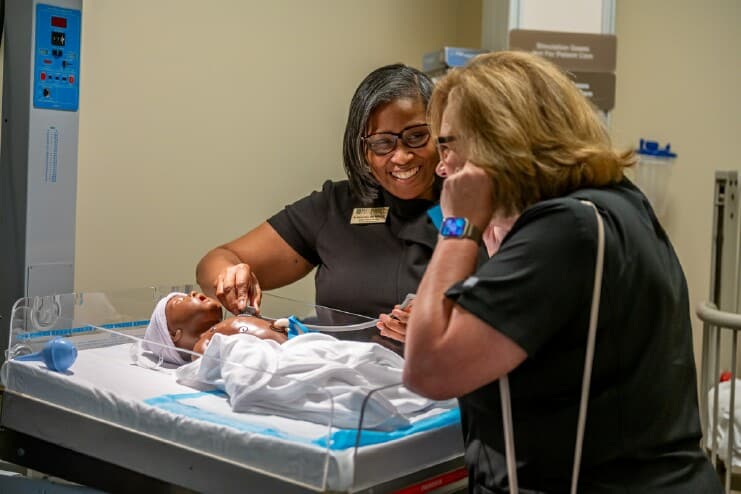


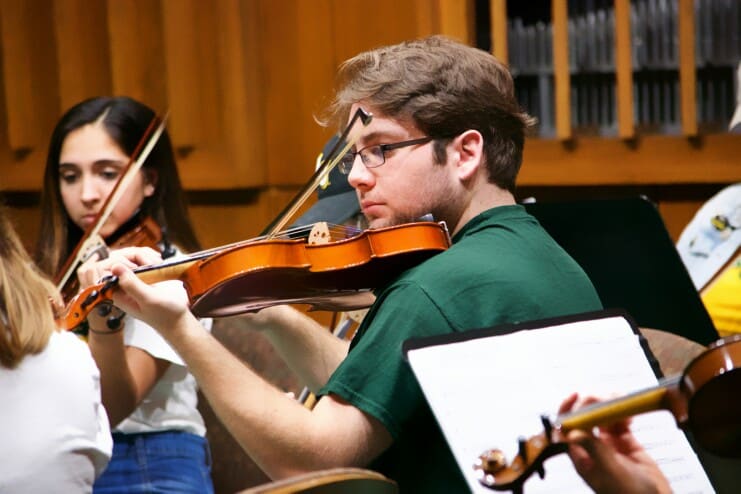
A Community On and Off Campus

Immerse Yourself In Campus Life
With over 80 student clubs and organizations, honor societies, and recreational sports to choose from, we are committed to helping students find their niche on campus.
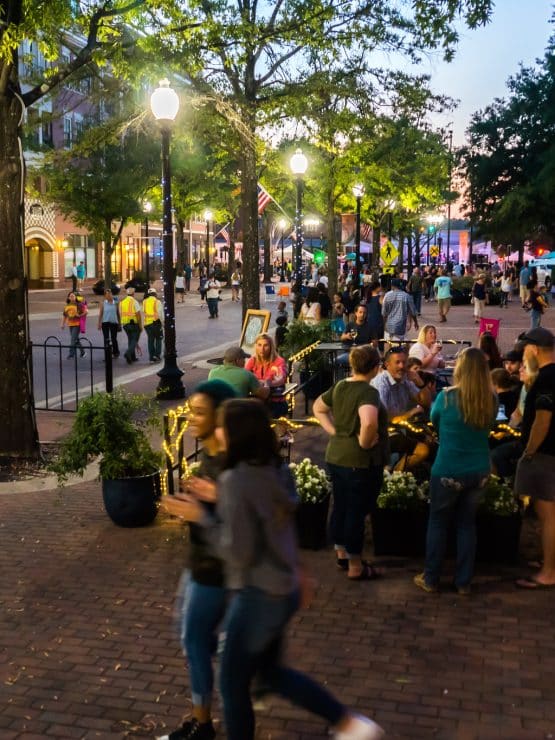
Engage with Fayetteville
Located in southeastern North Carolina and home to Fort Liberty, Fayetteville has the friendly feel of an All-American hometown combined with the cultural and entertainment perks of bigger cities.